President Hoteli
Sve što zamislite ovdje postaje stvarnost, dobrodošli u hotele President…
Naša glavna vodilja još od samih početaka bila je kreirati jedinstven doživljaj za svakog gosta i pružiti besprijekornu uslugu upotpunjenu modernim dizajnom i izuzetnim komforom naših hotela.
Uz široki spektar opcija i aktivnosti za solo putnike, obitelji, parove i grupe, kao i raznih usluga posebno kreiranih za poslovna ili obiteljska okupljanja, te bajkovita vjenčanja, naši hoteli pružiti će Vam više nego što ste ikada mogli zamisliti.
Naši hoteli


Hotel President Solin
Hotel President Solin***** smješten je u samom srcu grada Solina, koji je poznat po antičkim nalazištima i bogatoj mediteranskoj kulturi. Udaljenost od samo nekoliko minuta od drevnog grada Splita i poznate Dioklecijanove palače, ali i blizina ostalih povijesnih gradova, nacionalnih parkova i otoka čine idealnu polazišnu točku za vaše putovanje.
Kombinacija luksuznog dizajna i izuzetne udobnosti, ali prije svega ljubazno i profesionalno osoblje učinit će Vaš boravak u hotelu President Solin nezaboravnim.
Saznajte više
Hotel President Split
Hotel President Split**** smješten je u samom centru grada, podno velebnog Marjana gdje ćete ujutro punim plućima udahnuti svježi zrak, a navečer će vas uspavati miris mora i soli.
Komforan gradski hotel karakterizira blizina povijesnog središta i upečatljiva kultura stare jezgre grada koja nikoga neće ostaviti ravnodušnim. Spoj vrhunske usluge i udobnosti omogućit će Vam nezaboravne trenutke provedene u Hotelu President Split.
Saznajte više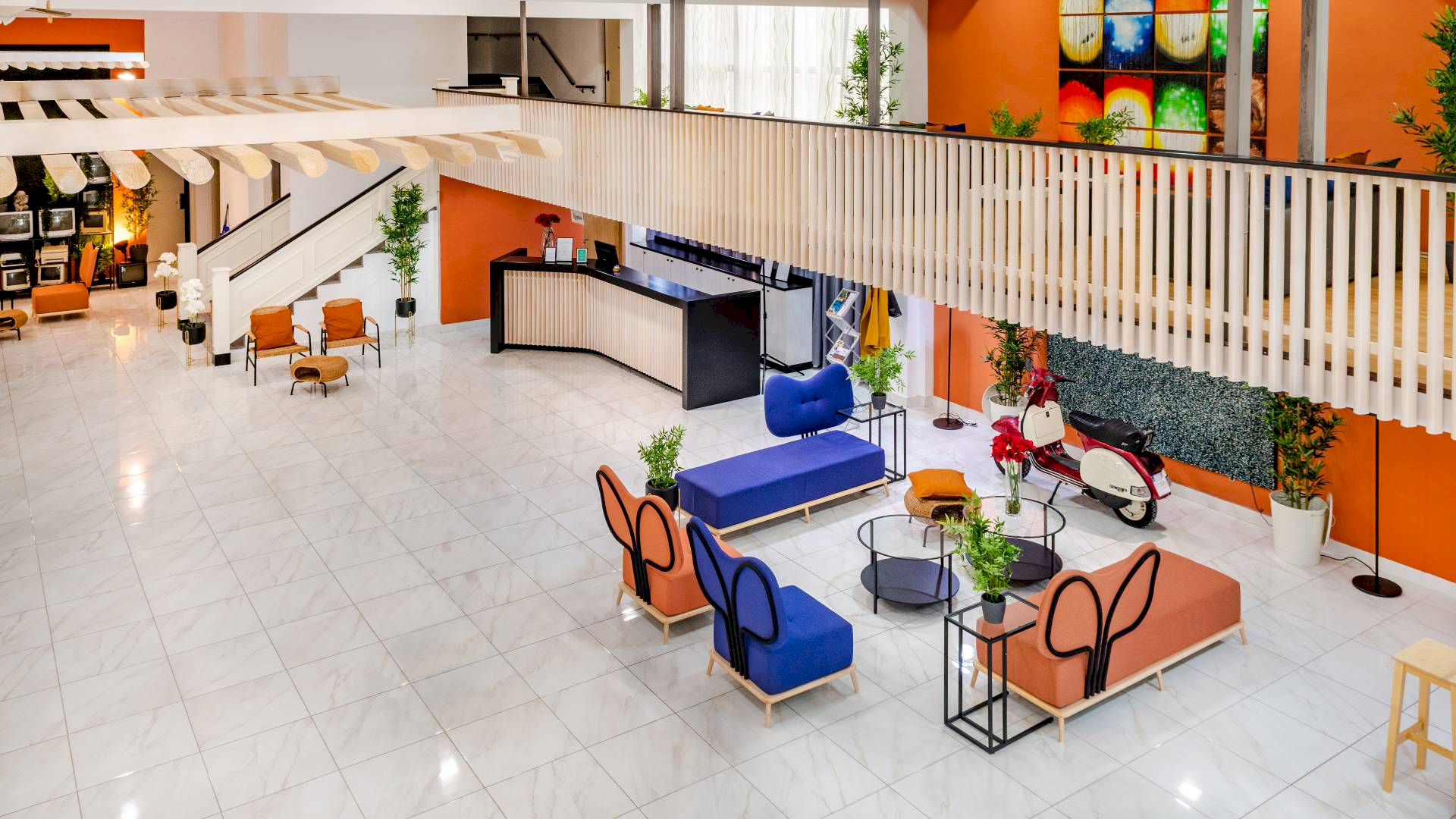
Hotel Split INN by President
Potpuno novi hotel smješten nedaleko od povijesnog centra Splita idealna je oaza za Vaš potpuni mir i opuštanje, kao i za aktivan i sadržajan odmor.
Neosporna prednost modernog hotela Split Inn by President leži u savršenom spoju izuzetne usluge i udobnog i modernog interijera koji pruža nezaboravan doživljaja za sve naše goste. Osim u smještaju, uživati možete i u restoranu i lounge baru, te u mnogim dodatnim pogodnostima koje će upotpuniti svaki privatni i poslovni boravak…
Saznajte višeNaša destinacija
Srednja Dalmacija
Nigdje se kao u Srednjoj Dalmaciji ne može u krugu od samo 30 km naći dva grada sa spomeničkom baštinom pod zaštitom UNESCO-a: Split sa 1700 godina starom Dioklecijanovom palačom i Trogir sa svojom kulturnom baštinom i povijesnom jezgrom grada. Među ta dva grada leže ostaci antičke Salone, današnjeg Solina.
Dalmacija sa svojim glavnim gradom – Splitom je regija prekrasnih prirodnih lokacija, sunca, mora, planina, stijena i mnoštva otoka. Bogata i raznovrsna ponuda Dalmacije se reflektira u savršenom spoju mediteranske vegetacije, izuzetno čistim zrakom i blagom mediteranskom klimom. Split poznat po antičkim centrom grada, prekrasnom arhitekturom i finom gastronomijom je živahan lučki grad te dostupan i pristupačan za dnevne izlete u okolici.


Posebne Ponude
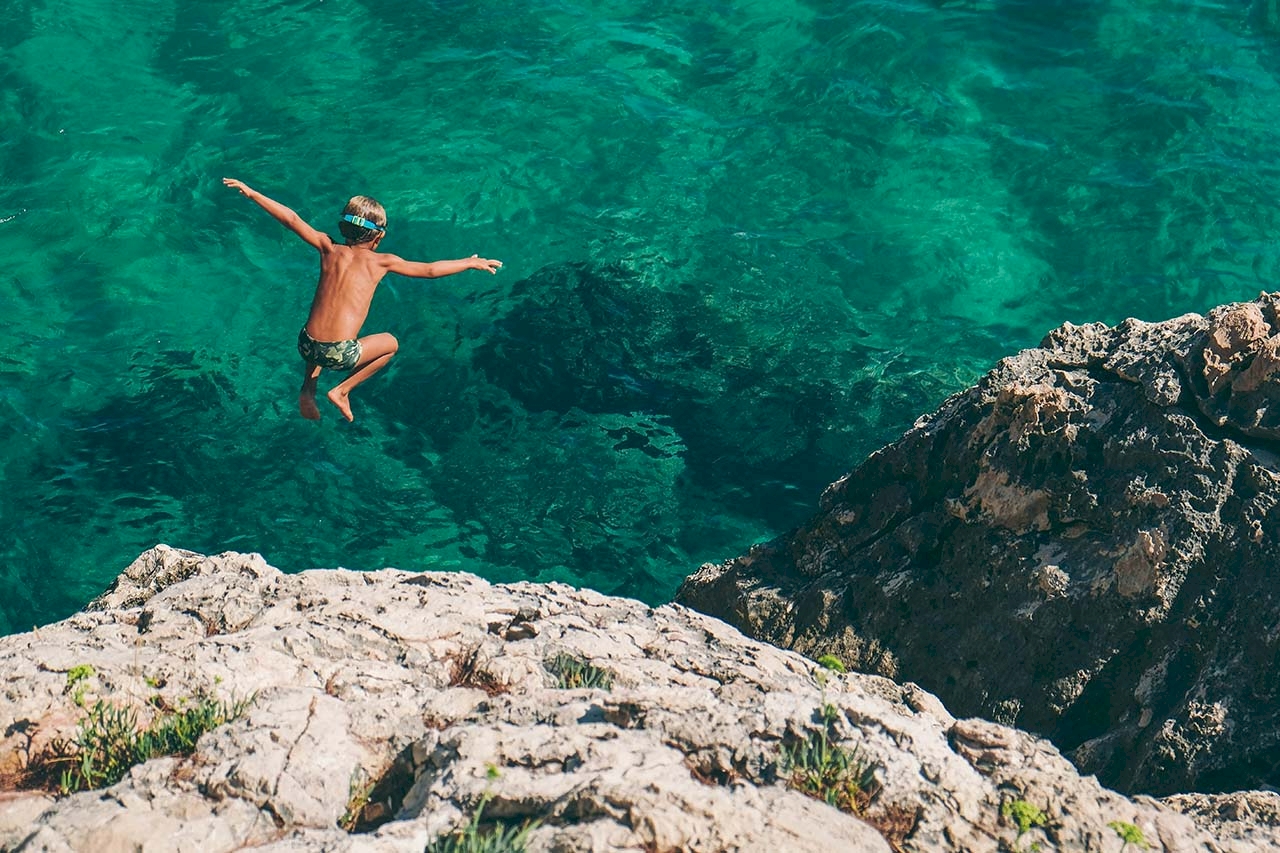
Summer in Dalmatia

Doručak u Presidenta
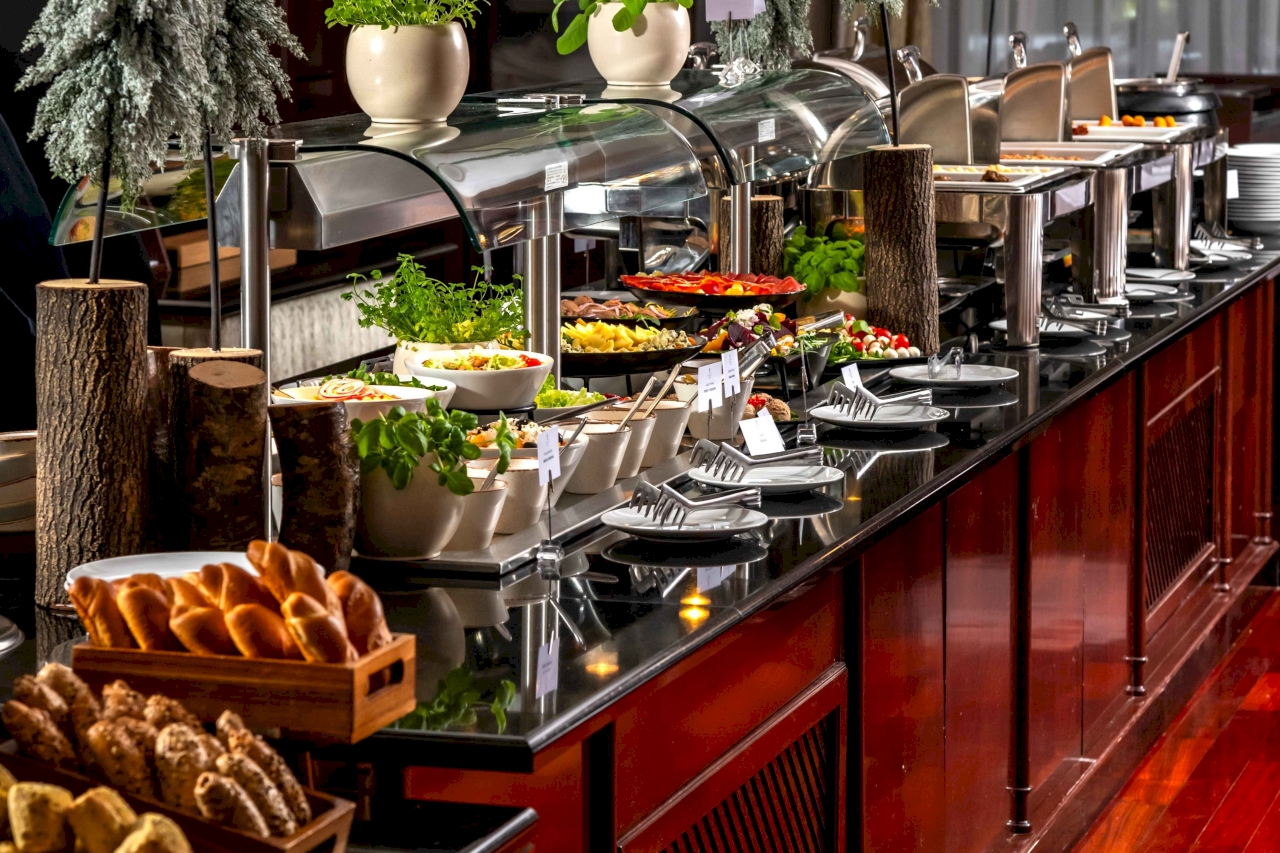
Nedjeljni brunch maraton u hotelu President Solin